Bringing home a new rescue dog is one of the most rewarding moments imaginable. But if you already share your home with a resident cat who thinks they own the entire house, that initial meet-and-greet can feel a little nerve-wracking.
The secret to a peaceful multi-pet household isn't luck—it's patience. Dogs and cats communicate in completely different languages, and expecting them to be instant best friends on day one usually backfires. By taking things slow and letting them set the pace, you can build trust and set both pets up for a lifetime of calm coexistence.
The 4-Phase Introduction Plan
1.Phase 1: Total Separation & Base Camp:Days 1–3.
Set up a dedicated "safe room" for your new dog (or give your cat their own undisturbed sanctuary room with litter, food, and high perches). Keep door gates closed or doors shut so they cannot see each other yet. Let your rescue dog decompress from the shelter transition without the added stress of a feline staring them down.
2.Phase 2: Scent Swapping & Sound Recognition:Days 3–5.
Before any visual contact happens, let them get used to each other's smell. Swap their blankets or rub a soft towel on your dog's neck and place it near your cat's feeding area (and vice versa). Feed them on opposite sides of a closed door so they associate the scent of the other animal with delicious meals.
3.Phase 3: Controlled Visual Meetings:Days 5–10.
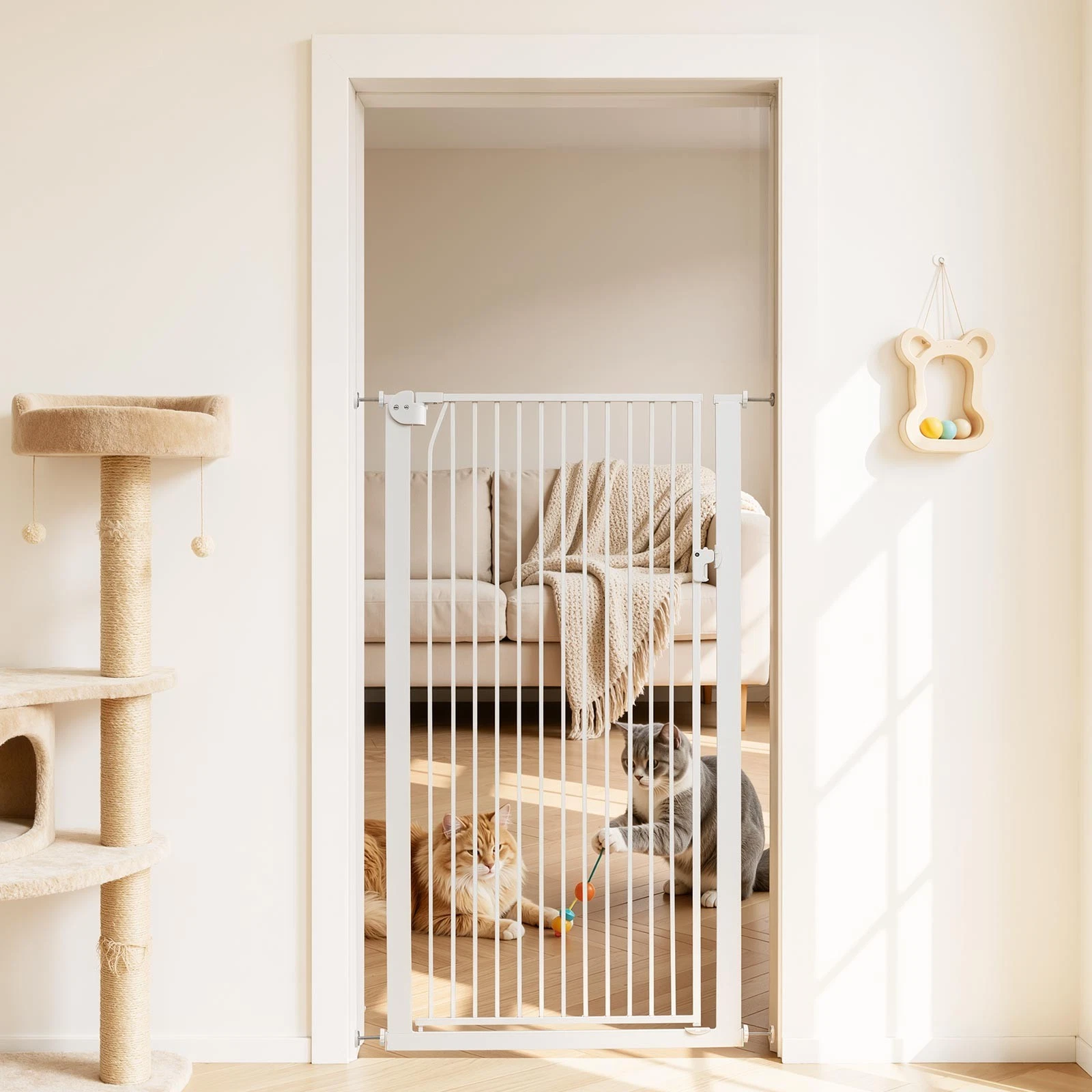
Use a baby gate or keep your dog securely on a short leash. Allow them to see each other from across a room for short 3- to 5-minute sessions. Reward your dog with high-value treats (like small bits of chicken) whenever they break eye contact with the cat and look back at you. If your dog fixates, whines, or lunges, increase the distance immediately.
4.Phase 4: Monitored Loose Interactions:Weeks 2+.
Once your dog consistently ignores the cat or responds smoothly to basic commands while the cat moves around, allow supervised freedom in a shared room. Keep the dog's leash dragging on the floor so you can step on it quickly if needed. Never leave them unsupervised until months of zero-reactivity have passed.
3 Non-Negotiable Rules for Success
1. Preserve the Cat's Vertical Escape Routes
Cats need to feel in control. Always ensure your cat has easy access to cat trees, tall shelves, or baby gates with small cat-pass doors where the dog cannot reach them.
2. Guard the Litter Box & Food Dishes
Never force your cat to pass a strange dog to reach their litter box or water bowl. Keep the litter box in a strictly dog-proof zone to prevent stress-induced behavioral accidents or coprophagia.
3. Reward the Behaviors You Want
Quiet curiosity or simple indifference is a massive win. Shower both pets with praise and treats whenever they remain calm while sharing the same space.
Final Thoughts: Patience is Your Superpower
At the end of the day, a peaceful home isn't built overnight. Some dogs and cats become cuddling best friends within a few weeks, while others simply agree to a polite, mutual truce—and both outcomes are a total success!
The key is to move at the speed of your slowest pet. By keeping meetings brief, rewarding calm behavior, and giving your cat plenty of safe high ground, you're laying the foundation for a happy, stress-free home. Trust the process, take it one step at a time, and celebrate those tiny daily victories along the way.